
📌 At a Glance: Bogotá Quick Facts
- Altitude: 2,640 meters (8,660 feet) above sea level
- Best time to visit: December–March and July–August (dry seasons)
- Currency: Colombian Peso (COP) — ~4,000–4,200 COP per USD
- Daily budget: $30–45 (budget) | $60–90 (mid-range) | $120–180+ (luxury)
- Language: Spanish
- Getting around: Uber, TransMilenio, walking in safe zones
You land in Bogotá and the city hits you all at once — the sharp mountain air, the riot of street art on every wall, the smell of ajiaco drifting from a tiny kitchen somewhere around the corner.
This isn’t the Colombia you imagined.
It’s bigger, colder, more complex, and honestly? Way more fascinating than most travelers expect.
Whether you’re planning a long weekend stopover or a deep-dive into Colombian culture, this Bogotá travel guide gives you everything — the best things to do, where to stay, what to eat, how to stay safe, and exactly when to go.
[CTA: Search Flights to Bogotá →]
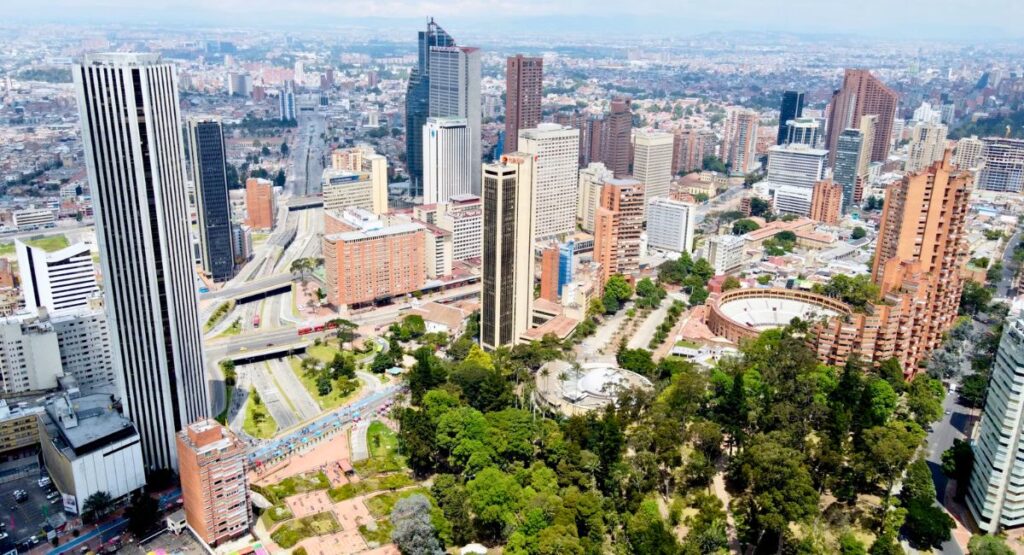
Why Bogotá Deserves More Than a Layover
A lot of travelers treat Bogotá like a jumping-off point to Medellín or Cartagena.
That’s a mistake.
Bogotá is one of South America’s most culturally rich capitals — a city of world-class museums, incredible food, legendary nightlife, and a street art scene that rivals any city on earth.
It sits at 2,640 meters (8,660 feet) above sea level, making it one of the highest capital cities on the continent.
Give it at least three to four days. You won’t regret it.
12 Best Things to Do in Bogotá
1. Explore La Candelaria — Bogotá’s Historic Heart
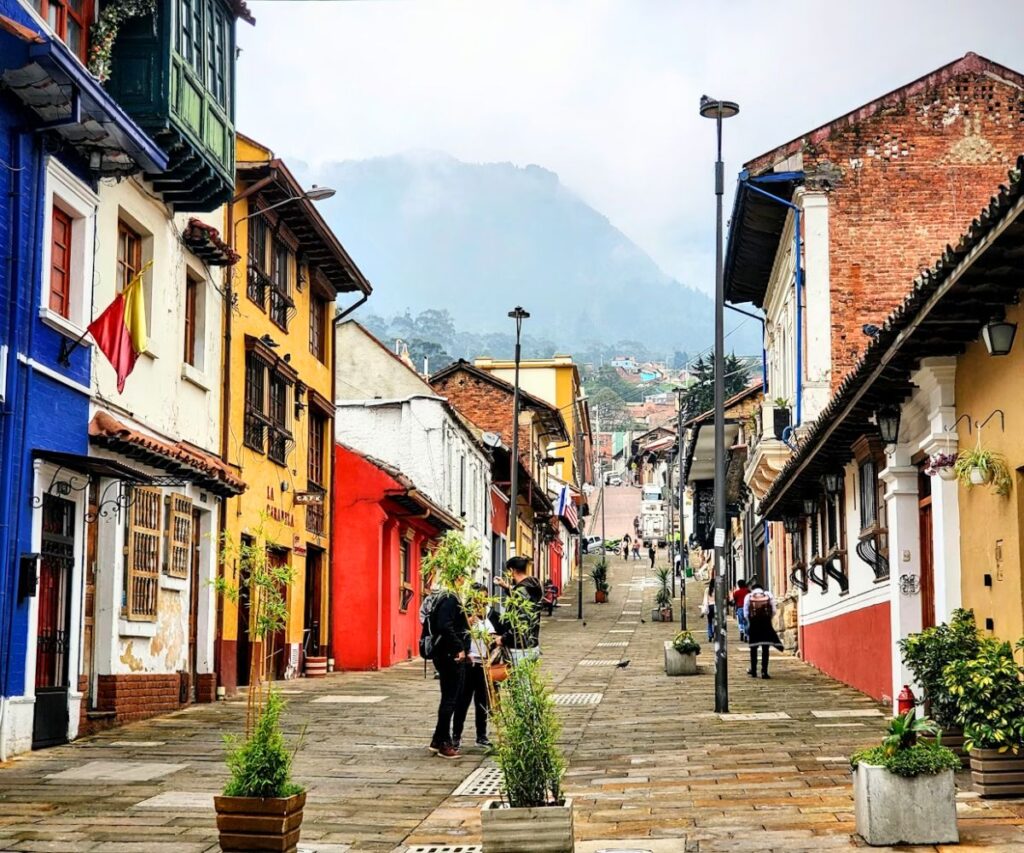
La Candelaria is the soul of old Bogotá.
Colonial homes painted in every shade of yellow, blue, and red climb the hillsides while street murals tell stories of the city’s turbulent past.
This is where you’ll find the major museums, the best walking tours, government palaces, and the liveliest coffee shops.
[Book a free walking tour of La Candelaria →] to get the most out of it — local guides bring the history alive in a way no guidebook can.
💡 Pro Tip: Go on a weekday morning. Weekends get crowded and petty theft increases in tourist-heavy zones. Keep your phone in your pocket.
2. Visit Plaza de Bolívar
Plaza de Bolívar is the beating heart of Colombian democracy.
The square is flanked by Bogotá’s Cathedral (dating back to 1539), the National Capital, the Palace of Justice, and Liévano Palace — each building carrying layers of history, including the infamous 1985 M-19 siege.
It’s completely free to visit, and a guided walking tour here pays for itself in context alone.
3. Discover the Museo del Oro (Gold Museum)
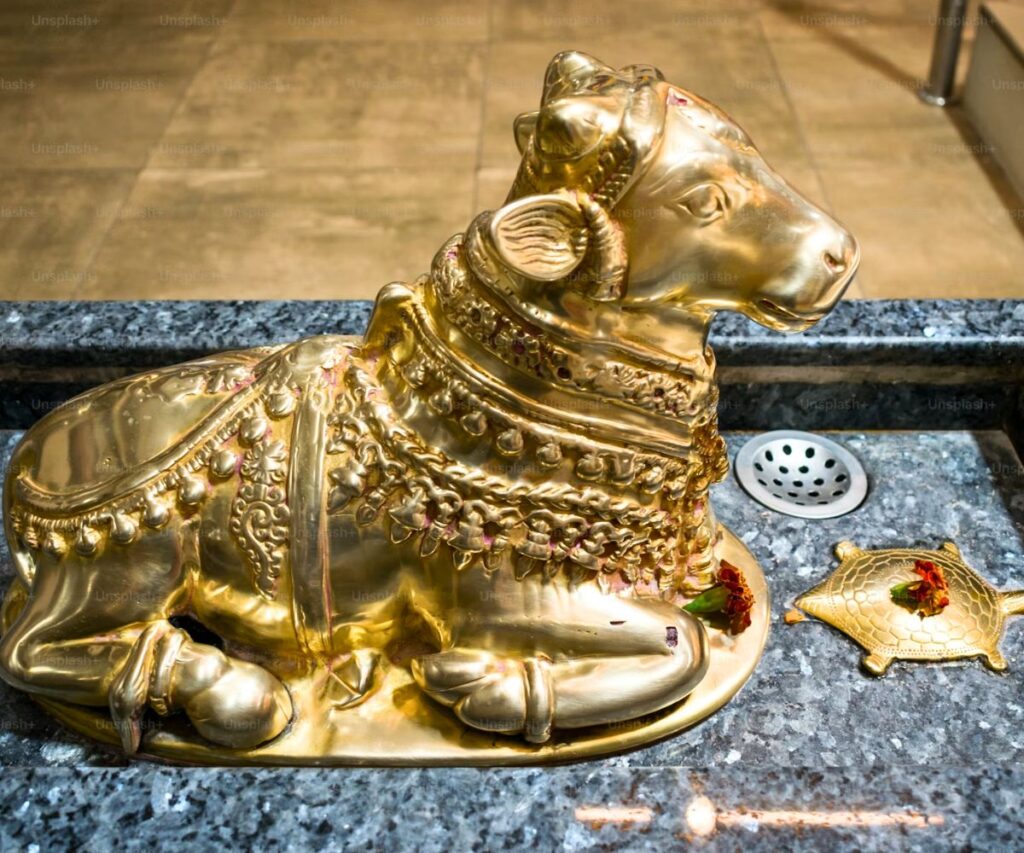
The Museo del Oro is one of the most remarkable museums in all of Latin America.
It houses over 55,000 pre-Hispanic gold pieces — jewelry, ceremonial objects, and artifacts from cultures that predate Spanish colonization by centuries.
Budget two to three hours here. The admission is incredibly affordable [VERIFY current price].
4. Take the Cable Car Up Monserrate
Rising 3,152 meters above sea level, Monserrate is Bogotá’s most iconic landmark and offers a panoramic view of the entire city spread out below.
You can take a cable car or funicular up — or hike it if you’re feeling ambitious (and your lungs are acclimated).
At the top: a colonial church, restaurants, and the kind of view that makes you stop mid-sentence.
[CTA: Book a Monserrate Tour Package →]
5. Tour the Museo Botero
Fernando Botero is Colombia’s most famous artist, and his namesake museum in La Candelaria is completely free.
You’ll see his signature oversized figures — rotund politicians, chubby ballerinas, voluminous Mona Lisas — alongside donated works by Picasso, Monet, and Dalí.
It’s one of the best free things to do in Bogotá, full stop.
6. Roam the Usaquén Flea Market
Every Sunday, the upscale neighborhood of Usaquén transforms into a vibrant open-air market.
Antiques, handmade crafts, street food, and live music fill the cobblestone streets — it’s as much a cultural experience as a shopping one.
This is also one of the safest and most relaxed neighborhoods to spend an afternoon in Bogotá.
7. Cycle a Ciclovía Route
Every Sunday and public holiday, Bogotá closes 121 kilometers of city streets to cars and opens them exclusively to cyclists, joggers, and pedestrians.
Called Ciclovía, it’s one of the most unique urban experiences in the world — and it’s free [VERIFY current schedule].
[Book a guided bike tour of Bogotá →] if you want a local leading the way through the city’s best routes.
8. Take a Day Trip to the Salt Cathedral in Zipaquirá
Just 48 kilometers north of Bogotá lies one of Colombia’s most surreal attractions — a fully functioning cathedral built 200 meters underground inside a salt mine.
The Salt Cathedral of Zipaquirá is a UNESCO-designated architectural marvel with dramatic lighting, carved salt walls, and an atmosphere unlike anything else.
It’s easily the best day trip from Bogotá — most tours run about four to five hours roundtrip.
[CTA: Book the Salt Cathedral Day Trip →]
💡 Pro Tip: Book your Salt Cathedral tour in advance, especially on weekends. Spots fill up fast, particularly from December through February.
9. Eat Your Way Through Paloquemao Market
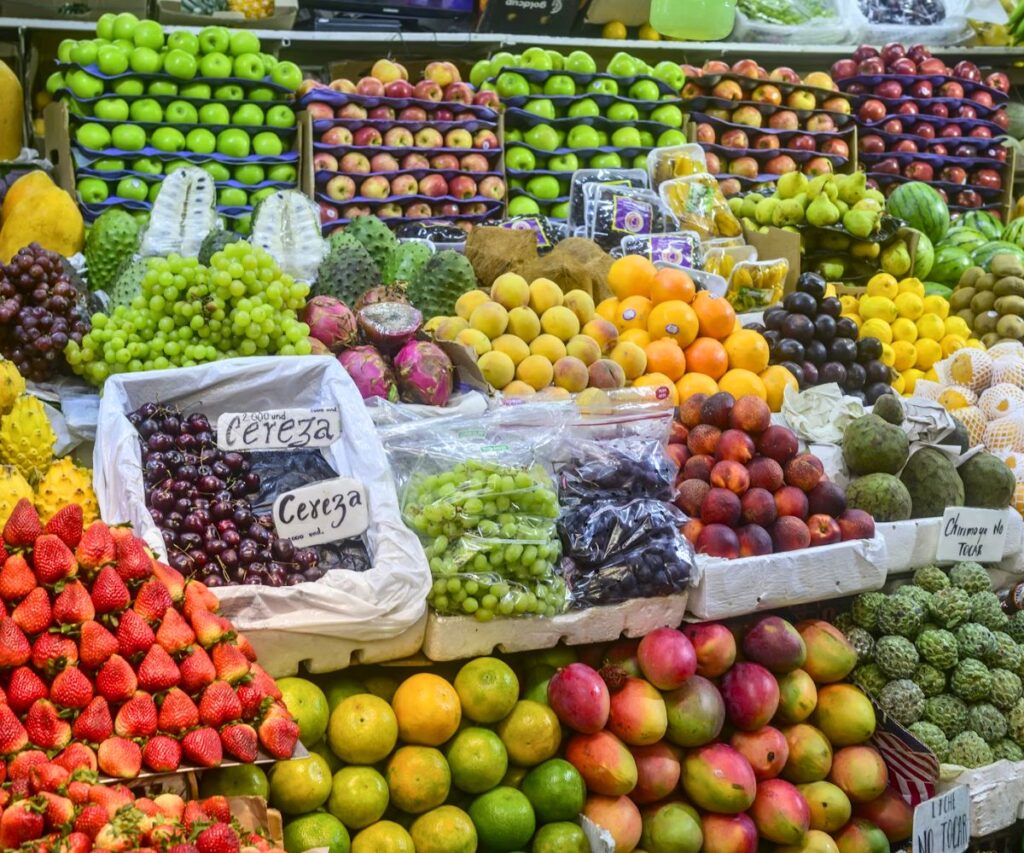
Mercado de Paloquemao is where Bogotá’s locals actually shop.
Mountains of tropical fruits you’ve never seen, fresh-cut flowers, steaming pots of ajiaco, and vendors who’ve been cooking the same recipes for generations — this place is a full sensory overload in the best possible way.
Go hungry. Very hungry.
10. Explore the Chapinero Neighborhood
Chapinero is Bogotá’s creative soul — think street art, hipster cafes, rooftop bars, and the thriving LGBTQ+ community centered around Theatron, the largest LGBTQ+ club in all of South America.
It’s also where Zona G (the Gastronomy Zone) lives — Bogotá’s answer to a Michelin-starred dining corridor.
Digital nomads, foodies, and travelers who want to feel like locals tend to plant their flag here.
11. Take a Food Tour
Bogotá’s food scene is wildly underrated for a city of its size.
A guided food tour will take you through the best local eateries, introduce you to dishes you’d never find on your own, and pair it all with Colombia’s incredible coffee culture.
For solo travelers especially, it’s also a great way to meet people.
12. Hike to La Chorrera Waterfall
If you need a break from the city, the La Chorrera waterfall hike — Colombia’s tallest waterfall at 590 meters — sits just a couple of hours outside Bogotá.
The trail winds through cloud forest and is one of the most spectacular day hikes in the entire country.
[CTA: Book the La Chorrera Guided Hike →]
Where to Stay in Bogotá: Best Neighborhoods
Choosing the right neighborhood makes or breaks your Bogotá experience.
Neighborhood Breakdown
| Neighborhood | Best For | Vibe | Safety Level |
|---|---|---|---|
| La Candelaria | History, culture, budget travelers | Colonial, bohemian | Moderate (caution at night) |
| Chapinero | Foodies, digital nomads, LGBTQ+ travelers | Artsy, local, vibrant | Good |
| Zona Rosa / Zona T | Nightlife, shopping, first-timers | Upscale, energetic | Very Good |
| Usaquén | Families, relaxed explorers | Leafy, charming, Sunday market | Excellent |
| Zona G | Foodies, couples | Gourmet, upscale, walkable | Excellent |
| Teusaquillo | Culture seekers, families | Residential, historic | Good |
[CTA: Compare Hotels in Bogotá →]
💡 Pro Tip: First-time visitors are best off staying in Zona Rosa, Chapinero, or Usaquén. These neighborhoods offer the best combination of safety, dining, and easy access to the rest of the city.
What to Eat in Bogotá
Ajiaco — The dish Bogotá is famous for
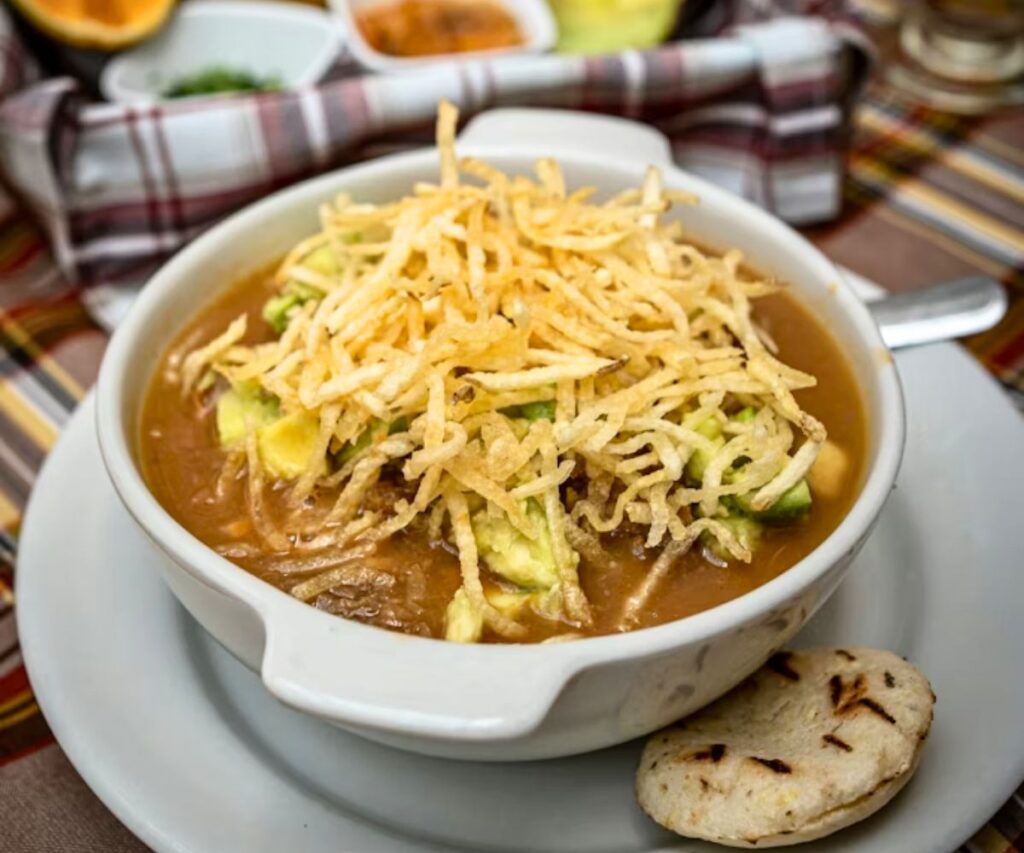
Ajiaco is a thick, hearty chicken and potato soup — made with three types of Colombian potatoes and served with rice, avocado, and capers.
This is Bogotá’s signature dish, and every local has a strong opinion about which restaurant does it best.
Try it at Mercado de Paloquemao for the most authentic version.
Bandeja Paisa — Colombia’s national feast
Bandeja Paisa is an absurdly generous plate of rice, beans, ground beef, chicharrón, chorizo, fried egg, avocado, arepa, and plantain.
It’s a full meal masquerading as a single dish — and in Bogotá, many argue it’s actually better than in Medellín (where it originated).
Other Must-Try Foods
- Changua — a milk and egg breakfast soup, a Bogotá morning classic
- Empanadas — fried or baked pastry stuffed with meat or potato, sold everywhere
- Obleas — thin wafers layered with arequipe (caramel), cheese, or jam
- Tinto — small, strong black coffee, the fuel of every Colombian morning
When to Visit Bogotá
Bogotá sits at altitude, which means it doesn’t follow the usual tropical Colombia weather patterns.
The best time to visit Bogotá is December through March and July through August — these are the dry seasons (verano) with the least rainfall and the most sunshine.
- December–March: Warm days (~20°C/68°F), minimal rain, peak tourism season — book accommodation early
- July–August: Second dry season, slightly cooler, fewer tourists, great value
- April–May & October–November: Rainy seasons (invierno) — up to 18 rainy days per month — not impossible, but pack a good waterproof jacket
Bogotá is a year-round destination, but the dry seasons are simply more comfortable for exploration.
Bogotá Safety Guide
Bogotá is safe for tourists when you’re smart about it — think New York City, not a war zone.
The golden rule locals live by: “No dar la papaya” — don’t make yourself an easy target.
Practical safety tips:
- Use Uber instead of hailing street taxis — it’s safer and more reliable
- Don’t flash your phone on the street, especially in La Candelaria
- Stick to safe neighborhoods (Zona Rosa, Chapinero, Usaquén, Zona G) especially at night
- Never accept drinks from strangers — order bottled drinks and watch the bartender open them
- Carry a copy of your passport, not the original, during daily outings
- Don’t wear headphones while walking — stay aware of your surroundings
💡 Pro Tip: The TransMilenio bus system is affordable but can be crowded and pickpocket-prone. For short trips, Uber is worth the extra dollar.
Bogotá Budget Breakdown
Here’s a realistic daily budget for visiting Bogotá in 2026:
| Travel Style | Daily Budget (USD) | Accommodation | Food | Transport |
|---|---|---|---|---|
| Backpacker | $30–45 | $8–15 (hostel dorm) | $2–5 (street food) | $2–3 (TransMilenio) |
| Mid-Range | $60–90 | $25–60 (hotel/Air |
FAQs About Bagota
Yes — with the right precautions, Bogotá is safe for tourists.
Stick to neighborhoods like Zona Rosa, Chapinero, Usaquén, and Zona G.
Avoid La Candelaria at night, use Uber instead of street taxis, and don’t flash valuables in public.
Thousands of international visitors travel to Bogotá every month without incident — common sense goes a long way here.
Three to four days is the sweet spot for a first visit.
You’ll have time to explore La Candelaria, ride the cable car up Monserrate, visit the Gold Museum, eat your way through the city, and still squeeze in a day trip to the Salt Cathedral.
If you love food, art, or nightlife, you could easily stretch it to five or six days without running out of things to do.
The best time to visit Bogotá is December through March or July through August — both are dry seasons with the most sunshine and lowest rainfall.
December and January are peak season, so book accommodation and tours early.
July and August offer great weather with fewer crowds and better prices.
El Dorado International Airport (BOG) is about 15–20 kilometers from the main tourist areas.
The easiest and safest option is Uber — a ride to Zona Rosa or Chapinero costs roughly $8–15 USD depending on traffic [VERIFY current pricing].
Official airport taxis are also safe if you book them at the designated counters inside the terminal — never accept offers from drivers approaching you inside the arrivals hall.
Cards are widely accepted in hotels, upscale restaurants, and larger shops.
However, always carry some cash for markets, street food, small cafes, and transportation — many local vendors are cash-only.
Use ATMs inside banks or shopping malls rather than on the street for added security.
